What Benefits Can Hem Brewing Bring to Your Beer Business?
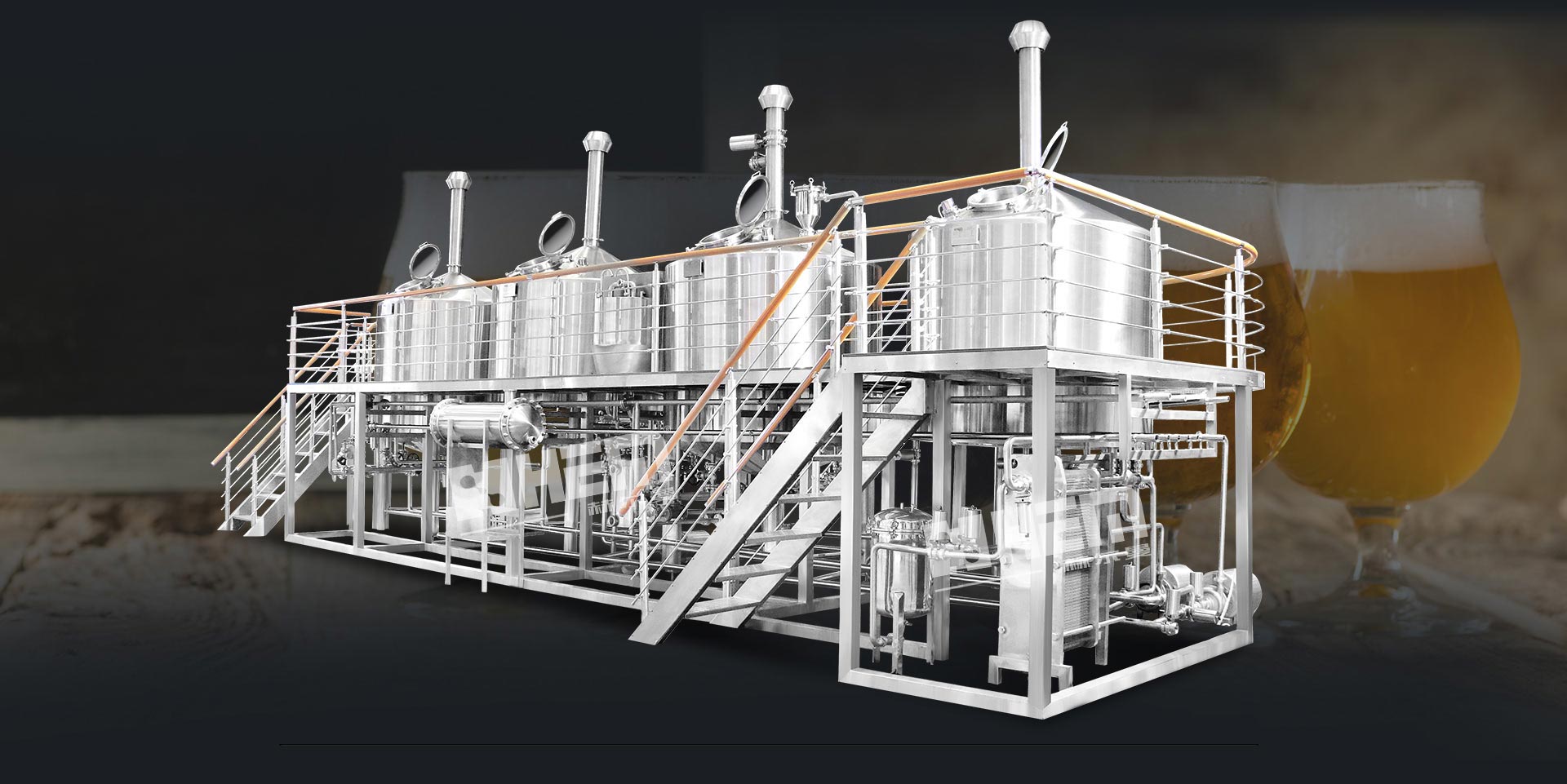
Hem brewing can improve beer businesses by increasing brewing efficiency, reducing material waste, and improving production consistency. Breweries using optimized brewing systems can achieve brewhouse efficiency levels around 74%–95%, depending on equipment design and process control. By adopting advanced solutions such as hem beer equipment, producers can better manage temperature accuracy, ingredient usage, fermentation conditions, and energy consumption while developing more consistent products for competitive markets.
Beer businesses operate under constant pressure from ingredient prices, energy costs, and consumer demand for better-quality products. Hem brewing brings measurable improvements across production stages, from grain handling to fermentation management. A modern brewing setup allows breweries to reduce losses, increase batch reliability, and create more product varieties without significantly increasing production complexity.
Brewhouse efficiency is often measured by how much extract from malt reaches the final wort. Many commercial systems operate around 74%–79% efficiency, while highly optimized systems can approach 90% or higher. A 5% improvement in extraction efficiency can reduce grain usage over thousands of barrels annually.
A brewery producing 10,000 barrels per year and improving raw material utilization by only 4% may save several tons of malt annually, depending on recipe design and production volume.
This improvement begins with better equipment control, which affects every later stage of production. Mash temperature, lautering speed, boiling time, and fermentation conditions all influence final beer quality.
| Brewing area | Common improvement from optimized systems |
|---|---|
| Malt extraction | 3%–10% higher utilization potential |
| Water management | Reduced cleaning and processing waste |
| Energy use | Lower heating and cooling requirements |
| Batch consistency | More stable flavor and alcohol levels |
Better efficiency also creates room for product expansion. When production becomes easier to manage, breweries can allocate more resources toward recipe development, seasonal releases, and specialty beers.
The ability to produce different beer styles with consistent results has become increasingly important since craft beer growth accelerated after 2010. Thousands of breweries worldwide now compete through unique recipes, and stable production methods help smaller producers maintain quality while increasing volume.
A brewery that produces 20 different beer recipes in one year needs tighter process control than a company producing only one standard lager.
Hem brewing supports this flexibility by improving control over fermentation temperature, ingredient ratios, and production timing. Yeast performance, which directly affects aroma, alcohol level, and mouthfeel, depends heavily on stable fermentation conditions.
Fermentation management also influences product shelf life. Poor temperature control or inconsistent oxygen levels can create flavor differences between batches. Modern brewing systems allow operators to maintain more accurate settings, reducing variations between production cycles.
A study published in 2016 examined controlled hydrodynamic cavitation technology in a 230-liter microbrewery-scale setup and reported improvements in extraction efficiency and energy performance compared with traditional approaches. While different technologies produce different results, the research shows that brewing innovation can affect both quality and resource consumption.
Reducing waste is another area where hem brewing supports stronger financial performance. Breweries spend heavily on malt, hops, water, electricity, and labor. According to industry production practices, even small losses during transfer, filtration, and cleaning can accumulate over a full year.
For example:
- A brewery producing 50,000 liters per month may lose thousands of liters annually through inefficient transfers.
- A reduction of 8% in water consumption can lower utility expenses and wastewater treatment requirements.
- Improved cleaning processes can reduce chemical usage by measurable amounts.
Resource management becomes more important as breweries scale. A small efficiency improvement that saves $500 per month at a startup brewery may represent tens of thousands of dollars annually for a larger facility.
Production systems are often evaluated not only by how much beer they produce, but also by how much raw material and energy are required for every finished liter.
Energy consumption represents another major operating factor. Brewing requires heat during mashing and boiling, followed by cooling before fermentation. Traditional brewing processes commonly include long heating cycles and significant cooling demand.
Optimized brewing equipment can improve heat transfer and reduce unnecessary energy use. Research into brewery energy flexibility involving 239 Danish brewery facilities showed that operational adjustments could reduce electricity costs by approximately 1.56% annually in the modeled system while lowering emissions.
| Energy-related process | Possible improvement area |
|---|---|
| Wort heating | Better temperature management |
| Cooling systems | More efficient heat exchange |
| Cleaning cycles | Reduced water heating demand |
| Equipment operation | Improved scheduling |
Lower energy consumption also supports sustainability goals. Many breweries now publish environmental reports because customers increasingly consider production methods when choosing beverage brands.
A brewery using efficient equipment can communicate measurable improvements, such as reduced water consumption, lower energy requirements, or improved ingredient utilization. These details provide stronger information for distributors, retailers, and consumers.
Hem brewing also helps breweries maintain product consistency during expansion. Many small breweries face difficulties when moving from pilot production to commercial scale because recipes that work at 100 liters may behave differently at 10,000 liters.
Scaling requires accurate control of:
- Mash temperature differences between batches
- Fermentation vessel conditions
- Yeast handling procedures
- Carbonation levels
- Packaging quality
A brewery established in 2015 may produce a few thousand barrels annually, while a growing regional brewery may exceed 50,000 barrels. The equipment and process requirements change significantly as volume increases.
Consistent quality allows breweries to build stronger relationships with retailers and hospitality businesses. Restaurants, bars, and distributors usually require dependable supply because customers expect the same flavor profile every time.
A beer brand can lose customer trust when a popular product changes noticeably between batches.
Product innovation is another benefit. Consumers have shown increasing interest in IPA variations, low-alcohol beers, sour beers, and specialty seasonal releases since the early 2010s.
Breweries using precise brewing systems can test recipes more efficiently. Instead of making large production batches with uncertain results, producers can adjust ingredient combinations and process settings before scaling.
For example:
| Product type | Important production factor |
|---|---|
| IPA | Hop timing and aroma preservation |
| Lager | Temperature stability during fermentation |
| Sour beer | Controlled microbial management |
| Low-alcohol beer | Precise fermentation control |
These improvements allow breweries to create premium products while maintaining production reliability.
Financial planning also benefits from improved brewing efficiency. Equipment investment decisions depend on production forecasts, labor requirements, and expected operating costs. A more efficient brewing process can reduce the cost per barrel and improve pricing flexibility.
A brewery producing 25,000 barrels annually may gain significant financial improvement from small reductions in grain waste, labor hours, and energy consumption. Over several years, these savings can support expansion into new markets or additional product categories.
The role of brewing equipment continues to change as technology develops. Between 2000 and 2025, craft breweries increased globally, creating demand for systems that combine traditional brewing knowledge with more accurate production management.
Hem brewing methods provide breweries with tools to improve efficiency while keeping focus on flavor, quality, and brand identity. Companies that invest in reliable brewing systems can manage larger production volumes, respond to consumer preferences, and maintain consistent standards.
Better brewing control does not replace craftsmanship; it gives brewers more reliable conditions to apply their skills.
For beer businesses planning long-term growth, hem brewing offers practical advantages in production management, resource use, product development, and market competitiveness. By combining experienced brewing methods with improved equipment and process control, breweries can produce higher-quality beer while operating more efficiently in an increasingly competitive industry.