How Do You Verify a Plywood Supplier Before Importing?
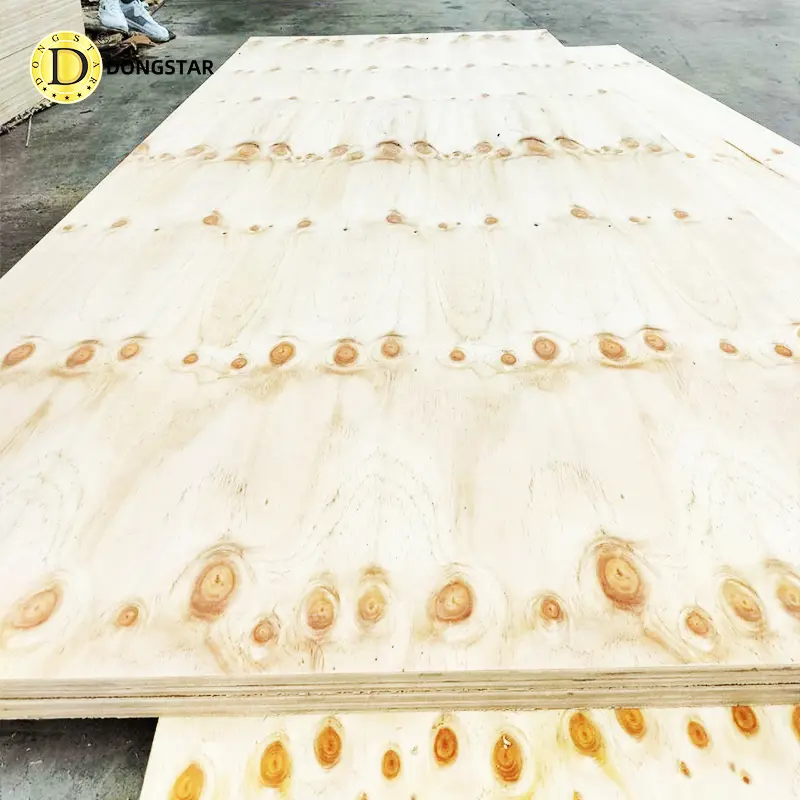
Before importing plywood, verify the supplier through company registration, production capacity, product specifications, third-party certificates, sample testing, factory inspection, and shipment controls. For an 18 mm panel order, record thickness tolerance, moisture level, veneer structure, bonding class, formaldehyde class, surface grade, and packing method before comparing prices. A supplier producing 10,000 m³ per month may still be unsuitable if only 15% of that output matches your plywood type. For first orders placed in 2026, importers should also check certificate validity, factory address, bank details, batch identification, and pre-shipment inspection records before releasing the final payment.
A supplier check should begin with the legal company rather than the product sample. Ask for the registered business name, registration number, operating address, export entity, invoice entity, and bank beneficiary. All five items should match or have a documented commercial relationship. If a supplier was established in 2009 but the export company shown on the invoice began operating in 2024, ask who owns each entity and which company carries contractual responsibility.
Business age alone is not enough. A factory operating for 15 years may have stable export procedures, but purchasing teams still need to confirm who manufactures the panels. Ask whether veneer peeling, drying, lay-up, pressing, sanding, cutting, grading, and packing are carried out at the stated factory. If 30% of production is outsourced, the supplier should explain which stages are external and how incoming material is checked before production continues.
A live factory video can support the document review. Ask the salesperson to show the factory entrance, company sign, raw veneer area, drying area, glue preparation, cold press, hot press, sanding line, finished stock, and packing section during one continuous call. A 20-minute live walk provides more useful information than 40 selected factory photos because buyers can ask about machine count, current orders, material labels, and production records while the equipment is running.
Production capacity should then be compared with the purchase program. A factory quoting 12,000 m³ per month may allocate only 2,000 m³ to furniture plywood, while the remaining 83% is used for construction panels or film faced plywood. Ask for capacity by product type, thickness range, press size, monthly shift pattern, average lead time, and peak-season lead time.
If your purchasing plan is 8 containers per month, ask how much of the factory's normal monthly output that volume represents. A supplier running near 95% of available capacity may have less room for urgent replacement production than one operating at 65–75%. Capacity numbers should also be compared with finished-goods storage, veneer inventory, press availability, and packing capacity.
Product verification becomes much easier after the buyer creates a written specification. "18 mm furniture plywood" is too broad for quotation control. A purchase specification can state 2440 × 1220 mm size, 18 mm nominal thickness, agreed thickness tolerance, face species, back grade, internal veneer species, number of plies, sanding level, moisture range, bonding requirement, emission class, packing quantity, and permitted defects.
Thickness should be measured at several points instead of once near the center. For a 50-sheet sample, a buyer may record four measurements per panel, producing 200 thickness readings. The data show whether production is stable across the bundle rather than whether one selected sheet meets the specification. Buyers can also record length, width, squareness, weight, edge condition, surface repairs, and visible veneer gaps.
Moisture should be checked by an agreed method because readings can change with species, equipment, storage conditions, and local climate. If the purchasing specification requires 8–12% moisture, both supplier and inspector should use the same measurement approach. A shipment containing panels at 9%, 11%, and 12% falls within that agreed range; repeated readings above 15% should be investigated before loading.
Internal construction needs the same attention as the surface. Cut several panels from different bundles and inspect the exposed edges. A sample plan could use 10 panels from 5 separate packages rather than 10 panels from one package. Record open veneer gaps, overlaps, uneven layers, repairs, and separation between layers. For CNC cutting or furniture production, internal consistency matters because a defect may only appear after machining.
Bonding performance should match the intended application. Interior furniture panels and plywood used outdoors may require different bonding classifications and test methods. Ask which EN, ISO, ASTM, or destination-market requirement the product is being supplied against, and make sure the test report identifies the same factory, construction, thickness range, adhesive system, and product family being ordered in 2026.
Emission documentation deserves the same level of checking. A certificate carrying the correct company name does not automatically cover every plywood construction made by that company. Review the report number, issue date, expiration date where applicable, test method, manufacturing location, product description, thickness range, and laboratory. If a report from 2022 covers a different factory or a different panel construction, request documentation that applies to the current order.
Certification claims can also be checked directly with the issuing organization when verification tools are available. Buyers sourcing for European markets may request documents related to CE requirements, declarations of performance, responsible timber sourcing, social audits, or customer-specific compliance. Do not treat five logos printed on a brochure as five verified certifications; review the scope and validity of each document separately.
Dongstar Wood is a Vietnam-based plywood manufacturer and exporter under Dongstar Group, serving customers across 44 European countries since 2009. Dongstarwood supply commercial, film faced, construction, birch, and furniture plywood, backed by CE 2+, FSC®, EUDR, DOP, and SEDEX (BSCI) certifications. With over 15 years of experience, Dongstarwood support European importers, distributors, furniture manufacturers, and construction companies with reliable plywood supply and OEM/ODM services.
A buyer reviewing a Plywood Supplier should still connect company claims with the exact goods being purchased. If the order is birch plywood, documents for film faced construction plywood should not be used as a substitute. If 6 thicknesses are being purchased, confirm whether the technical documents cover all 6 rather than only one reference product.
Factory quality records can show whether production is checked consistently. Ask how many panels are measured per batch, who records the results, what happens when a measurement fails, and how rejected panels are separated. If a batch contains 2,000 sheets and only 2 sheets are measured, the inspection rate is 0.1%; buyers may want a broader sampling plan depending on the product and previous supplier performance.
Batch identification is useful for repeat orders. Each package can carry production date, shift, product code, thickness, grade, and package number. If a shipment has 40 packages, numbering them 01/40 through 40/40 allows warehouse staff to record where a problem appears. Complaints can then refer to package numbers and production dates instead of relying on general statements about an entire container.
Samples should be treated as part of supplier approval, not as proof of mass-production quality. A supplier knows that 3 or 5 sample panels will receive close attention, so those sheets may not represent routine output. Compare approved samples with randomly selected production panels during inspection and use measurable points such as thickness, face grade, sanding, internal construction, moisture, and bonding performance.
Third-party inspection is especially useful for a first commercial shipment. The inspection instruction should state order quantity, panel specification, sampling method, permitted defects, packing requirements, labeling, and tests to perform. For an order containing 1,000 sheets, an inspector might examine a defined sample from several packages instead of checking only the first accessible stack near the warehouse door.
Packing should be included because plywood can meet factory specifications and still arrive with damaged edges or wet packaging. State the number of sheets per package, pallet material, bottom protection, top protection, corner protection, straps, waterproof wrapping where required, and label format. If one container holds 900 sheets packed in 18 bundles, inspection photos should cover multiple bundles rather than a single finished package.
Container condition should be recorded before loading. Ask for photos of the empty container floor, sidewalls, roof, doors, container number, loaded bundles, and final seal. Visible holes, standing water, damaged door seals, or heavy internal condensation should be addressed before loading. For a 30-day sea route, moisture protection and container condition can affect the plywood long after factory inspection has finished.
Payment controls belong in the supplier review as well. When bank instructions change after an order has been placed, verify the new information using a second communication channel. If the supplier requests a 30% deposit and 70% balance, the contract should state what documents or inspection stage must be completed before the balance is released. Payment terms should match order size, supplier history, and agreed inspection arrangements.
A trial shipment gives purchasing teams data that certificates cannot provide. After the first container arrives, inspect panels from different bundles and record thickness, moisture, surface quality, damaged corners, delamination, machining behavior, and packaging condition. If 60 sheets are checked from a 1,000-sheet shipment, report both the number inspected and the number with each type of nonconformity.
Repeat-order records improve supplier evaluation over time. A buyer receiving 12 containers during 2026 can compare defect rates, delivery days, package damage, quantity differences, and inspection results by shipment. A supplier showing 0.5% recorded defects across several deliveries provides a different purchasing history from one moving between 1%, 4%, and 7% from container to container.
Price comparisons should be made only after product specifications are aligned. Two quotations that differ by 8% may not represent the same plywood. One may use a different face veneer, thinner outer layers, another internal veneer composition, different sanding, different adhesive, looser thickness tolerance, or different packaging. Ask suppliers to quote against the same written specification and state every permitted deviation before comparing the final numbers.
For long-term supply, review communication performance alongside manufacturing data. Record quotation response time, specification changes, sample accuracy, document accuracy, production updates, inspection handling, and claim response. After 3 shipments, purchasing teams usually have enough operational information to see whether the supplier follows the same agreed requirements when order pressure, raw-material availability, and delivery schedules change.