How Do I Choose the Best Fuel Pump?
It simply comes down to a few key points that must be considered when it come time to choose the fuel pump is best for your particular application. The most critical aspect of pump selection is that it must be capable of supporting the fuel demands made by the engine. A high-performance engine might use up to 255 liters per hour just to burn all that gas, while a fuel pump for everyday vehicles often only need around 80-120 lph. By selecting the pump with flow rate well matched to your needs you prevent either (a) an under performing system or worse, engine stalling as a result of sucking the fuel tank dry.
Secondly, think about the pressure rating since in modern vehicles fuel injection systems usually work at 40 to 60 psi. Some high-performance engines, particularly with forced induction such as turbochargers, may require even greater pressure to achieve best fuel atomization and thus at peak performance levels. Selecting the right pump pressure allows for preventing power losses and fuel consumption, since when one is under-dimensioned a very high demand forces it to work at its maximum capacity which causes up to 10% less efficiency.
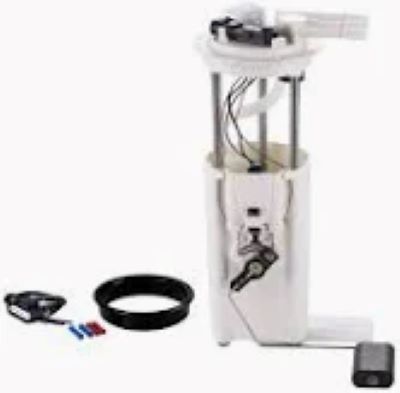
Another issue is whether the fuel is gasoline or diesel. Fuel pumps for diesel engines must unnecessarily withstand higher viscosity and density properties than a gasoline pump, by as much 48 percent less service life. Specific fuel types galoreIndustry professionals and manufacturers like Bosch or Walbro produce pumps that are designed to last forever while performing under specific fuel types. To paraphrase automotive engineer Carroll Shelby, “It's all in the details,” and picking parts based on what you have is equally as bearing.
Among the factors is budget also used to identify an efficient fuel pump. Similarly, although aftermarket parts may come in at a lower price than your factory-fitted pump, an original equipment manufacturer (OEM) part will generally last longer and so decrease the total maintenance outlay you face. While you can expect a good quality pump to last around 100,000 miles or more (150,000 according to some manufacturers) their cheaper counterparts could give out much earlier. For maximum results use a high-performance Fuel Pump replacement that makes for exact fuel delivery and ultimately protects the engine eliminating costly repairs to your investment.